
Table of Contents
Introduction to Home Elevators in india
Buying a home elevator is a big decision. It makes your home safer and easier to live in for years to come. More Indian families are now choosing home elevators in India, even in smaller towns. Homes are getting taller, and families want more comfort.
This guide covers types, safety, costs, and how to pick the right one for your home. By the end, you will feel confident making this decision for your family.
Why Homeowners Choose a Residential Lift
Many families now build duplex or triplex homes instead of single-floor houses. Climbing stairs daily is hard, especially for elderly parents living with you.
A residential lift solves this. It gives every family member easy access to all floors, regardless of age or health. It also isn’t only for medical needs — it’s a comfort feature for modern homes.
Here are homeowners who benefit the most:
Senior citizens who find stairs difficult or unsafe
Families with young children, especially with prams or strollers
Homeowners who want daily convenience
A home lift isn’t a luxury reserved for special circumstances — it’s a comfort feature that fits naturally into modern Indian homes.
What Is a Home Elevator?
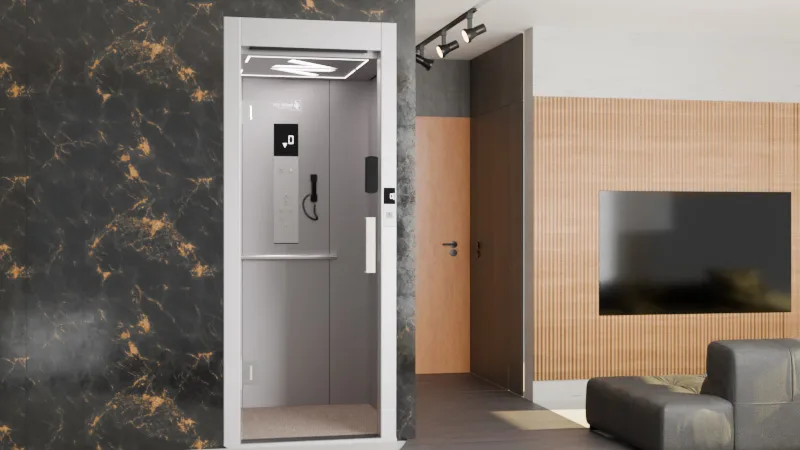
A home elevator, also called a residential elevator or home lift, is a compact system built for private homes. It moves a small cabin up and down inside a shaft or guide rail.
Unlike commercial elevators, home elevators are smaller, quieter, and suit personal use. Most carry 2 to 4 people at a time, which is enough for daily family use.
A motor powers the movement. Depending on the type, this could be a traction system, hydraulic pump, or air pressure mechanism. The cabin stops precisely at each floor, and doors open only after it fully stops. Sensors detect obstacles and prevent accidents while doors are closing.
Home Elevator vs Commercial Elevator vs Stair Lift
Home elevators differ from commercial elevators in size, speed, and design. Commercial elevators are larger, faster, and built for constant daily use in malls or offices. Home elevators are compact, move slower for comfort, and are designed to match home interiors. Using a commercial elevator design at home would be impractical and expensive.
A stair lift is different from both. It is a chair or platform fixed to your existing staircase, and it only works for one person and one staircase.
A home elevator is a separate cabin that works independently of your staircase. Home lift serves multiple floors and the whole family, including furniture and luggage. If you want a long-term solution for your whole home, a home elevator is usually the better choice.
Types of Residential Lifts Available in India
Not all home elevators work the same way. Different types use different technology to move the cabin.
Your home’s structure, your budget, and daily usage patterns all play a role in deciding the best fit. Budget and daily needs. Let’s look at the most common options available in India.
| Technology | How It Works | Smoothness | Maintenance | Safety |
|---|---|---|---|---|
| Traction Elevators | Motor + ropes/belts + counterweight | ★★★★★Ultra Smooth | Very Low | Very High |
| Hydraulic Elevators | Fluid pressure with piston | ★★★★Smooth | Low | High |
| Vacuum Elevators | Air pressure (pneumatic) | ★★★Smooth | Medium | Moderate |
| Screw Driven Lifts | Rotating screw mechanism | ★★Average | High | Medium |
Traction elevators
Traction elevators use a gearless motor to turn a pulley, with steel ropes or belts moving over it and a counterweight balancing the load. This gives a quiet, precise ride using less power than older technologies. They are a popular home lift India choice for villas and multi-storey homes, from Bengaluru to Delhi to Mumbai.
Hydraulic elevators
Hydraulic elevators use a pump that pushes oil into a cylinder, lifting the cabin through a piston. They work well for homes with 2 to 4 floors and are a practical, cost-effective option for many independent houses.
Screw-driven lifts
Screw-driven lifts use a motor that rotates a threaded screw, moving the cabin along it. This mechanism has more moving parts, so it needs more maintenance and feels less smooth than traction or hydraulic elevators.
Vacuum elevators
Vacuum elevators use air pressure to lift the cabin and have a sleek, modern look. They’re considered when a home has no space for a shaft. However, many homeowners are cautious about relying on air-pressure systems — an issue like air leakage can affect long-term safety confidence. For this reason, vacuum lifts are usually a last option.
Overall, traction elevators are generally seen as the best home elevators, offering the ideal mix of safety, comfort, and low maintenance. Hydraulic elevators remain a solid, budget-friendly alternative. Screw-driven and vacuum lifts suit only specific situations where space or structure rules out other options.
How to Choose the Best Home Elevators in India
Choosing the best lift for your home isn’t just about price — several factors work together to decide what suits your family. Here’s what to consider before you buy.
Available Installation Space
Some homes have room for a full shaft, others don’t. If space is limited, vacuum lifts or compact traction systems may work better. Measure your available area before speaking to any elevator company for accurate recommendations.
Number of Floors to Be Served
More floors usually mean more power, stronger structure, and sometimes a different lift type. Factor in your current home and any floors you may add later, so you don’t need to replace the lift down the line.
Safety Features to Look For
Non-negotiables include:
Emergency backup power
Door sensors that stop closing if something’s in the way
Overload protection
An in-cabin alarm or communication system
Design and Interior Customization
Your elevator should match your home’s style, not just function as a machine. Look for customization in cabin finishes, lighting, flooring, and glass panels to complement your interiors.
Energy Efficiency and Running Costs
Power consumption varies by technology — traction elevators, for instance, are known for being energy-efficient and can lower your monthly bills. Always ask about power usage before buying.
Budget and Long-Term Value
Look beyond the upfront price. A cheaper lift with frequent breakdowns often costs more over time, while a higher initial investment can mean better reliability and lower maintenance. Think of it as a long-term investment in comfort and safety.
Essential Safety Features Every Home Elevator Should Have
Safety is the most important part of any home elevator — a well-built lift should protect your family in every situation, including power cuts or emergencies. Here’s what to check for before you buy.
Emergency Backup Systems
Power cuts are common across India, so your elevator should have a backup system that brings the cabin safely to the nearest floor during a failure, letting passengers exit without getting stuck. Always confirm this feature is built in.
Door Safety Sensors and Interlocks
Modern elevators detect obstructions near the door and won’t move until the path is clear. Automatic reopening prevents the doors from closing on a person or object — especially important for children or elderly family members. Automatic door locks add another layer, ensuring the lift can’t move unless every door is fully closed.
Overload Protection
If the maximum weight limit is crossed, the elevator won’t move and will signal a warning. This protects the motor and keeps the ride safe for everyone inside.
Emergency Alarm and Communication
A built-in alarm button lets passengers call for help during an unexpected stop, and some elevators include intercom or phone connectivity for direct contact with support — reassuring for homes with elderly parents or young children using the lift alone.
Smooth Start and Stop Technology
Sudden jerks can be uncomfortable or risky, especially for seniors and people who struggle with balance or movement. Smooth start-and-stop technology ensures a gentle ride and also reduces wear, extending the elevator’s lifespan.
Benefits of Installing a Residential Lift
A home elevator offers more than just easy movement between floors. It brings real, lasting value to your home and family life.
Let’s look at the key benefits homeowners experience after installation.
Improved Accessibility for All Ages
A residential lift makes every floor of your home easy to reach. This benefits everyone, from young children to elderly grandparents.
Family members with temporary injuries or health issues also find daily movement much easier. No one has to struggle with stairs anymore.
This accessibility often gives elderly parents more independence at home. They don’t have to depend on others to move between floors.
Enhanced Daily Convenience
Carrying heavy items like groceries, luggage, or furniture up the stairs is tiring. A home elevator makes this task simple and quick.
Parents with young children also benefit greatly. Moving prams, strollers, or sleeping toddlers becomes much easier.
Over time, this convenience becomes a natural part of daily life. Most families wonder how they managed without it before.
Better Property Value
Homes with elevators are often seen as more desirable in the real estate market. This is especially true for larger, multi-storey homes.
A home elevator signals comfort, modern living, and thoughtful planning. This can make your property stand out to future buyers.
While value increase depends on location and home type, a well-installed lift is generally seen as a positive addition.
Stylish Addition to Modern Homes
Home elevators today are not just functional. They also add a modern, elegant touch to interior design.
Glass cabins, ambient lighting, and premium finishes can enhance your home’s overall look. Many homeowners treat their elevator as a design feature, not just equipment.
A well-designed lift can become a talking point for guests and visitors, adding a touch of sophistication to your home.
Future-Proofing Your Home
Needs change as families grow older. What feels unnecessary today may become essential in the future.
Installing a home elevator early prepares your house for the years ahead. It ensures your family can comfortably age in place without major renovations later.
This is especially valuable for homeowners planning to live in the same house for a long time.
Choosing the Right Residential Elevator Company in India
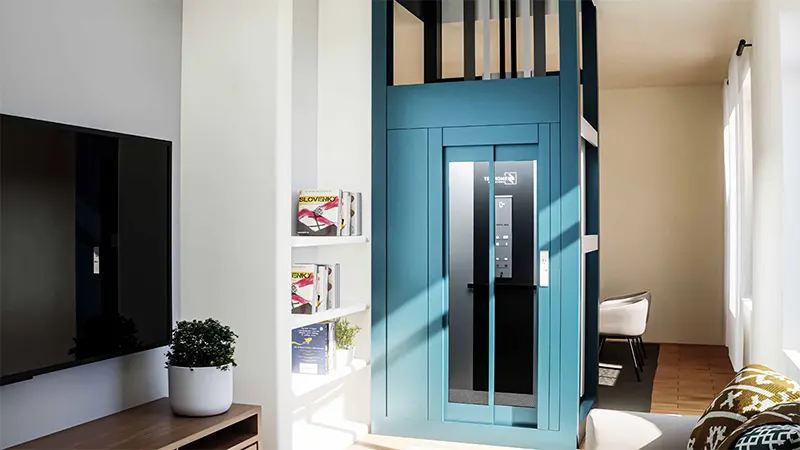
Buying a residential lift is a long-term decision. Choosing the right company is just as important as choosing the right equipment.
Here are the key things to check before you finalize a company for your project.
Experience and Industry Expertise
An experienced company understands the challenges of installation better than a newer one. They can guide you through structural, electrical, and safety requirements with confidence.
Ask how many years the company has been in this specific industry. Also ask how many domestic lifts they have installed.
Experience often means fewer surprises during setup and better problem-solving if issues arise.
Product Quality and Safety Standards
Not all lifts for homes are built with the same quality of materials or components. Ask about the safety certifications and standards the company follows.
A trustworthy company will be transparent about the technology, motors, and safety systems used in their products.
Good quality components may cost more initially, but they reduce breakdowns and repairs over time.
Installation and After-Sales Service
Installation is just the beginning. Every residential elevator needs regular maintenance to stay safe and efficient.
Ask about the company’s after-sales support. Do they offer scheduled maintenance visits? How quickly do they respond to service calls?
A company with strong after-sales service gives you peace of mind for years, not just on the day of purchase.
Customization Options
Every home is different. A good company should offer customization based on your space, design preference, and budget.
This includes cabin size, finishes, lighting, and door types. Flexibility shows that a company understands individual homeowner needs.
Avoid companies that offer only one standard design for every property. Your lift should fit your home, not the other way around.
Customer Reviews and Completed Projects
Real feedback from previous customers tells you a lot about a company’s reliability. Look for reviews, testimonials, or ratings online.
If possible, ask to see photos or videos of completed installations. This gives you a realistic idea of their work quality.
Speaking with existing customers, if possible, can also help you understand their experience with installation and support.
Why Tez Elevators Is a Trusted Choice for Home Elevators in India
After understanding what to look for in a residential lift, it helps to know who can deliver on these standards. This is where Tez Elevators comes in.
As a subsidiary of Stag Home Elevators, Tez Elevators brings decades of parent-company experience into every project. Both the T1 and T3 use traction (gearless) technology, known for ultra-smooth, quiet rides and excellent long-term reliability. Every lift runs on standard single-phase electricity, keeping quality high and costs affordable for Indian homes.
Here’s what sets Tez Elevators apart:
No Pit, No Headroom, No Machine Room Required
Single Phase Electricity – No Special Power Setup Needed
No Govt. License Required for Installation
Backed by Stag Home Elevators’ Decades of Experience
5 to 10-Year Warranty Options
Quick, Hassle-Free Installation
24/7 Customer Support
97% Customer Satisfaction Across 50+ Cities
Tez Elevators focuses on affordability without cutting corners on safety. Every lift is designed to work smoothly on standard single-phase electricity, making it practical for most Indian homes.
T1 – Compact and Budget-Friendly
The T1 is a space-efficient traction elevator built for easy installation. It works well for retrofitting existing homes, since it does not need a pit, headroom, or a separate machine room.
Its gearless belt drive technology delivers an ultra-smooth and quiet ride, while keeping the design compact enough for homes with limited space. It is Bureau Veritas-certified, ensuring the model meets recognized safety and quality standards.
The T1 comes with magnetic-driven controls, gentle stop and start technology, and wheelchair compatibility, making it comfortable and safe for family members of all ages. You also get customized cabin sizes, a choice of flooring options, and a variety of colour finishes to match your home’s interior.
This model is available both with shaft home elevators and without shaft elevators, depending on your home’s structure. It runs on single-phase electricity and does not require a government license, which makes the installation process simpler.
Starting at ₹13.5 lakhs, the T1 suits homeowners looking for a reliable, no-frills lift without major construction changes. It carries up to 400 kg, runs at speeds up to 0.5 m/s, and works well for homes up to G+4 floors.
T3 – Premium Comfort and Customization
The T3 builds on the same gearless belt drive technology as the T1, offering the same ultra-smooth, quiet performance and Bureau Veritas certified safety standards. It also includes all the base features of the T1, such as magnetic driven controls, gentle stop and start, wheelchair compatibility, and customized cabin sizing.
Where the T3 stands apart is in its premium additions. It comes with internal cabin accents, a stainless steel ceiling, and SS finishes for the control panel and accents, giving the cabin a more refined, high-end look.
It also includes glass sliding doors for a modern aesthetic, along with smart home integration and soft touch controls for a more connected, contemporary experience. Added safety features like a dedicated safety lever, plus an enhanced motor warranty, offer extra peace of mind over the long term.
A good fit for homeowners who want a more refined look and feel, without compromising on ride quality. This model works without a pit, headroom, or machine room. A shaft home elevator is available, with or without a shaft. Choose the option that fits your home’s layout.
Starting at ₹15 lakhs, the T3 is ideal for homeowners planning a new build or wanting extra design flexibility, while still keeping installation simple and non-disruptive.
Explore Our Completed Projects
Seeing real installations helps homeowners understand what to expect. Tez Elevators has completed projects across major cities, including Mumbai, Bangalore, Delhi, Chennai, Hyderabad, Pune, Gurgaon, and Kolkata.
These projects include villas, duplex homes, and independent houses, showing how both T1 and T3 models adapt to different home types. Homeowners can see real cabin finishes, shaft designs, and space solutions used in these installations.
We encourage you to browse our project gallery on the Tez Elevators Completed Projects to see examples that match your own home type.
Get in Touch – Connect with Tez Elevators for Your Home Elevator Needs
Ready to bring a home elevator into your house? Our team will guide you from the first call to the final installation. We offer full transparency, no pressure, and a solution built for your home.
India: +91 8123 472 999
Email: info@tezelevators.com
Website: https://tezelevators.com/contact-us/
Whether you are in Mumbai, Bangalore, Delhi, Chennai, Hyderabad, Pune, or anywhere else across India, we are just a call away. Reach out today for a free site visit and honest pricing.
Frequently Asked Questions (FAQs)
What is the price of a home elevator in India?
Home elevator prices in India vary by model, features, and number of floors. Basic models suit low-rise homes, while premium traction models offer quiet, energy-efficient performance for taller homes. Luxury glass or capsule lifts are also available with high-end finishes and panoramic shafts.
Which is the best type of home elevator for Indian homes?
Traction elevators are generally considered the best home elevators for Indian homes. They offer an ultra-smooth ride, low maintenance, and high safety, making them a reliable long-term choice.
Do home elevators need a lot of space?
Not always. Many modern home lifts, like traction elevators, do not need a pit, headroom, or a separate machine room. This makes them suitable even for homes with limited space.
Is a government license required to install a home elevator in India?
Requirements can vary by location, but many modern home elevator models, including traction-based systems, do not require a government license for installation. It’s best to confirm this with your elevator company based on your city’s regulations.
How much does an AMC cost for a Tez Elevators home lift?
Tez Elevators offers AMC (Annual Maintenance Contract) starting at 2.5% from the second year onward. Both comprehensive and non-comprehensive AMC options are available, and our team explains these clearly during your consultation, so you know exactly what’s covered.
What happens to a home elevator during a power cut?
A good home elevator has an emergency backup system. This brings the cabin safely to the nearest floor during a power failure, allowing passengers to exit safely.
Does Tez Elevators have a service team available across India?
Yes. Tez Elevators has a dedicated team for site visits, installation, quality checks, and after-sales service. We currently serve 50+ cities across India, with support available to guide you from consultation through to long-term maintenance.
Can a home elevator be installed in an existing house?
Yes. Many home elevators, including shaftless models, are designed for retrofitting. They require minimal civil work, making them a practical option for homes that were not originally built with an elevator in mind.
Consultation
Every home is different, and the right choice among Home Elevators in India depends on your specific space and needs. Tez Elevators offers a free consultation to help you choose between the T1 and T3 based on your home’s layout and budget.
Our team assesses your available space, floor count, and design preferences before recommending a solution, and installation is handled by a professional team to keep disruption minimal.
Support doesn’t end at installation. With AMC plans starting at 2.5% from the second year and warranty coverage on key components, Tez Elevators stays with you throughout your ownership journey — making it a dependable choice among Home Elevators in India.

Vinoth Kannan
Vinoth Kannan is the CTO and Co-Founder of Stag Elevators, the parent company of Tez Elevators, bringing years of technical expertise in designing safe and reliable home elevator systems. He leads the engineering, product innovation, and Bureau Veritas–certified quality processes that power Tez's traction home lifts. His work ensures homeowners across India receive trusted, high-performance elevator solutions built for the future.
Have More Questions? Submit Your Details
Our Elevator Expert will get back to you very shortly.